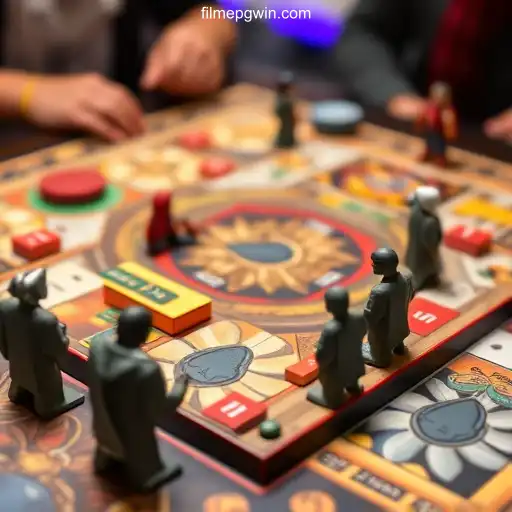


Exploring the Fascinating World of Card Games
Card games have long occupied a cherished place in cultures across the globe. Known for their intricate strategies and engaging gameplay, card games are a staple in both casual and competitive settings. With the availability of diverse game types, players can find themselves caught up in the world of cards, competing, collaborating, and strategizing for hours on end.
A Brief History of Card Games
Card games are believed to have originated in China, where the earliest references date back to the 9th century. From there, they spread to Persia and, gradually, to Europe in the 14th century. The original Chinese card games were played with paper dominoes, evolving into the cards we recognize today. As the games traveled westward, the designs and structures transformed, eventually leading to the creation of the standard deck of playing cards composed of hearts, diamonds, clubs, and spades. These suits originated from the French design, which became the template for modern decks.
The Modern Deck Structure
The standard 52-card deck is meticulously organized into four suits, each with thirteen ranks from Ace to King. This structure allows for a wide variety of games, each with its own distinct rules and gameplay. Playing cards feature numbered cards and face cards, and the elegance of their design facilitates countless permutations of play. Innovations like Jokers and wild cards have been introduced in some games, further diversifying the tactics and strategy involved.
Types of Card Games
Trick-Taking Games
Trick-taking games are among the most popular types worldwide. Games such as Bridge, Spades, and Hearts require players to win "tricks," which are rounds of play in which each player plays one card. The highest card wins the trick, and strategy revolves around the effective use of high-value cards and understanding the opponents' tactics.
Matching/Card Capture Games
Matching games, like Go Fish and Old Maid, center on the concept of matching cards based on numbers or types. Card capture games, such as War, involve players collecting all cards to win. These games are often simple in rules but can become complex with strategic variations.
Shedding/Pattern Games
In shedding games like Uno or Crazy Eights, the objective is for players to get rid of all their cards first. Players must match the previous card in color or number, playing strategically to deplete their hand while challenging their opponents with special action cards. Similarly, Rummy involves forming specific sequences or sets in a player's hand to dispose of cards strategically.
Building Games
Building games, such as Solitaire, involve a central building strategy where cards are arranged or maneuvered following specific rules. Patience, as it is also known, involves organizing cards into sequences. Solitaire's digital versions have introduced it to a wider audience, becoming a mainstay on personal computers and online [plataforma oficial site](https://example.com).
The Influence of Technology on Card Games
Technology has drastically increased the accessibility and popularity of card games. Online platforms now offer virtual tables for classic games like Poker, Blackjack, and Solitaire, exposing new players to these cultural treasures. Social media and mobile apps have also expanded the reach of casual card games, encouraging connections across distances.
Filme PG⭐️ ONLINE PLATAFORMA OFICIAL, seu site confiável!
As gaming evolves, platforms such as Filme PG⭐️ ONLINE PLATAFORMA OFICIAL have emerged as reliable sources to enjoy and engage in card games. These platforms host a variety of options, suitable for players of all skill levels, ensuring that the thrill of traditional games is preserved and enhanced in the digital landscape. Such initiatives contribute to the cultural preservation and innovation of card game traditions.
Cultural Significance of Card Games
Card games hold a unique role in cultural traditions. From the social gatherings shaped around a game of Bridge or Poker to the solitary moments spent mastering Solitaire, these games offer a snapshot of human interaction and skill. In many cultures, card games are an integral part of leisure activities, offering a unifying force that brings people together across generations and backgrounds.
Educational Value
Beyond entertainment, card games are also lauded for their educational benefits. They teach strategic thinking, foster decision-making skills, and promote interpersonal interactions. In educational settings, card games can improve memory, arithmetic skills, and critical reasoning in a playful environment.
In conclusion, the world of card games is as diverse and intricate as the cards themselves. Whether played as a competitive sport or a casual pastime, card games continue to captivate players with their blend of chance, strategy, and surprise. Platforms like Filme PG⭐️ ONLINE PLATAFORMA OFICIAL ensure these games remain accessible and enjoyable for everyone, preserving the rich tradition for future generations.